
Build Muscle Mass: What I Wish I Knew Before I Started
Muscle Growth Isn’t Magic — It’s (Harsh) Math
Listen: I wasn’t sold on building mass when I started competing. I thought massive arms came from massive lifts. I missed the part about systems. So I trained hard, but results were erratic. After years I realised: building muscle mass isn’t about lifting until your veins pop and gulping powders. It’s precision: training, eating, recovering — repeat. I’ve seen guys train 6 days a week and stay skinny‑fat, and others bulk clean with 3 sessions weekly. The difference? Intent, not intensity alone. And yes, genetics — but we’ll talk about that bitter pill in a moment.
Protein: The Real Anabolic Agent
Your muscles are roughly 70 % water and about 25 % protein — not guesswork, I tracked body composition for a full prep cycle. Every lifter I’ve coached who didn’t hit ~2 g per kg bodyweight of protein plateaued. Period. Chicken, eggs, whey isolate — not your grandma’s tofu salad (unless you can eat boatloads). If you want to grow, you must eat like growth matters.
- Daily protein target: 1.8–2.2 g per kg of bodyweight.
- Best timing: within 2 hours post‑workout for peak synthesis.
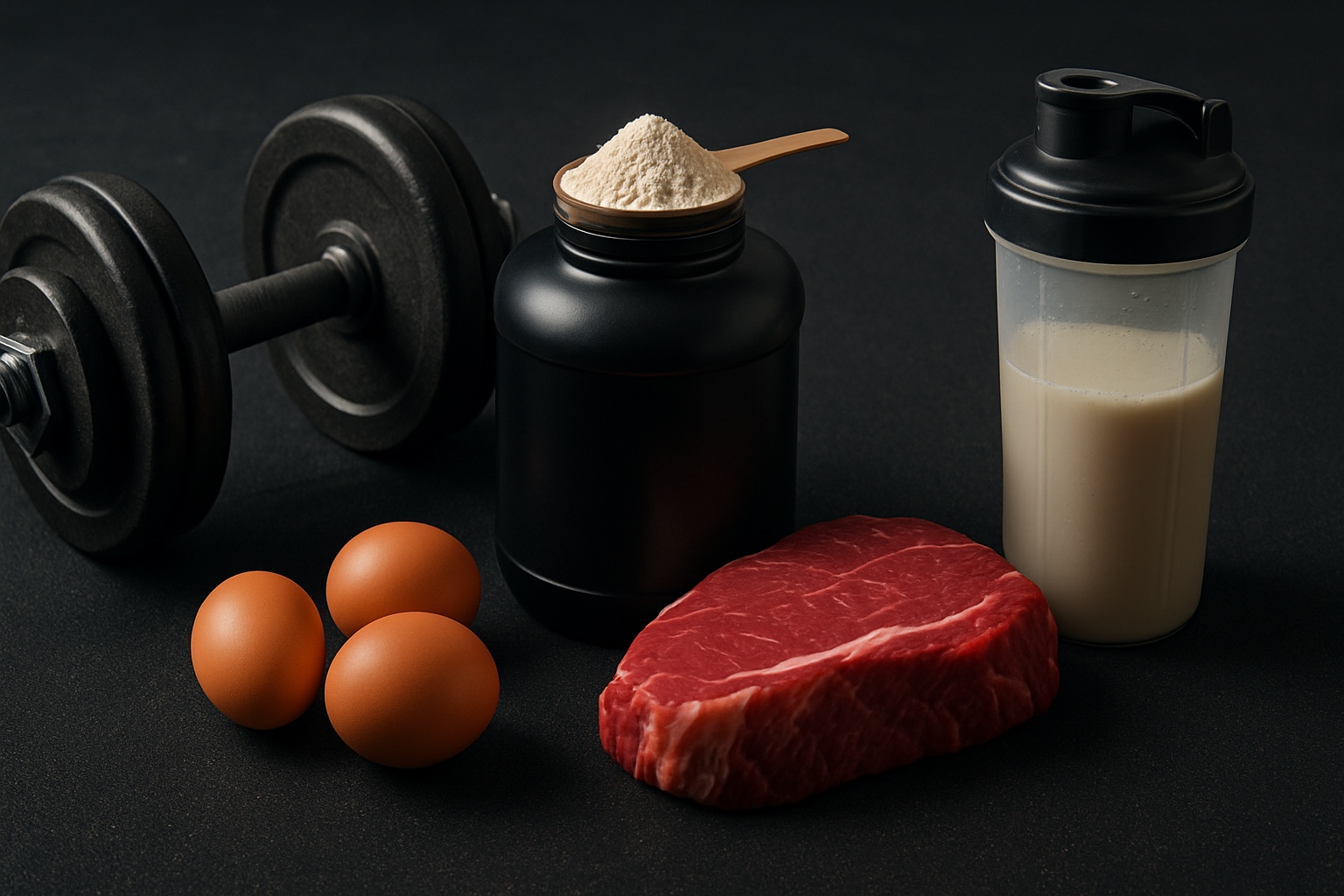
- Best sources: whole eggs, red meat, whey, fish. Variety matters.
Training for Adaptation, Not Just Pain
Let me tell you this: soreness is not progress. True hypertrophy comes from smart programming and progressive overload. That means using loads that force you into the 6‑10 rep range, stopping 1‑2 reps shy of failure, keeping form tight. No ego lifts. You want stimulus, not tissue damage.
Volume Recommendations (per muscle group):
| Experience Level | Sessions/Week | Sets/Week |
|---|---|---|
| Beginner | 3–4 | 10–12 |
| Intermediate | 4–5 | 12–16 |
| Advanced | 5–6 | 16–20 |
Carbs — Your Real Pre‑Workout Fuel
When you bulk, carbs are not optional. They power training, volume, recovery. I go 4–6 g per kg bodyweight, depending on phase. If you cut carbs early in a bulk, you’ll train weaker, recover slower, and gains will stall. Accept it.
Supplements That Actually Work (and One or Two That Don’t)
After more than a decade, here's what I still use:
- Creatine monohydrate: 5 g/day — more strength, better recovery, fuller muscle.
- Vitamin D3 + Magnesium: overlooked but critical. Hormonal support, better sleep, stronger lifts.
- Whey isolate: use it when you’re under protein target — not a substitute for whole food.
Compounds You’ll See on RoidTeam Shop
For those choosing to use pharmaceutical‑grade compounds, examples on the RoidTeam store include:
- Testosterone Enanthate — a long‑acting injectable base for mass and strength.
- Oxandrolone (Anavar) — a mild oral anabolic used for lean mass and definition.
- Trenbolone Acetate — advanced anabolic for hard, dense mass and strength gains.
These compounds are tools — not miracles. Use with respect for training, diet, recovery.
The Unsexy Secret: Recovery & Regeneration
You don’t grow in the gym. You break tissue there. You grow while sleeping. Growth hormone spikes during deep sleep; joints recover; connective tissue rebuilds. This is when your 100 % effort pays off.
Recovery Checklist:
- Sleep 7–9 hours per night — proper structure, darkness, cool temp.
- Deload week every 6–8 weeks to avoid burnout and preserve growth capacity.
- Manage cortisol: Add light cardio, walks, stretching — training harder isn't always better.
And Genetics? Yes — They Still Matter
Here’s a hard truth: Some guys look jacked after three months. Others bust their ass for years. Fiber‑type distribution, hormone baseline, myonuclei count — some are just born with advantages. Doesn’t mean you can’t win. It means you adjust. Train smarter, plan longer.
Detailed Process for Muscle Growth — From Start to Finish
- Assessment & Goal Setting: Know your current body‑weight, strength levels, recovery capacity, and realistic timeline.
- Macro Planning: Set protein (~2 g/kg), carbs (4–6 g/kg), fats (~20‑25 % calories). Ensure +250‑500 kcal surplus for muscle gain.
- Training Block Design: 6‑10 rep range, 3–5 sets, 1–2 muscle groups per session, 48‑72h recovery per muscle.
- Supplement Support: Creatine daily, whey post‑workout if needed, vitamins and minerals to cover deficits.
- Compound Use (Optional): If using steroids or anabolics, select base compounds (e.g., Testosterone Enanthate), stack smart, monitor labs.
- Recovery & Monitoring: Track sleep, HRV, joint health. Deload when signs of overtraining appear.
- Progress Judge & Adjust: Monthly check: weight gain ~0.5‑1 kg, strength improvement, inch gain arms/chest. If stall >4 weeks → adjust variables.
Comparison Table: Natural vs Enhanced Pathway
| Pathway | Time to Noticeable Gains | Typical Mass Gain First Year | Major Risks |
|---|---|---|---|
| Natural (diet + training) | 3‑6 months | 4‑8 kg | Plateaus, overuse injuries |
| Enhanced (basic steroids) | 1‑2 months | 10‑15 kg | Suppression, health monitoring, cost |
| Advanced (multi‑compound + cycles) | ≤ 8 weeks visible | 15‑25 kg+ | Health risks high, strict monitoring required |
Final Thoughts from the Trenches
If you're still wondering how to gain mass — you’re likely expecting a shortcut. There isn’t one. Eat more — but smart. Train consistently — but intelligently. Sleep deeper — no compromise. Supplement wisely — and if you use compounds, respect them. Most importantly: be consistent longer than everyone else around you. Because growth happens when others quit.